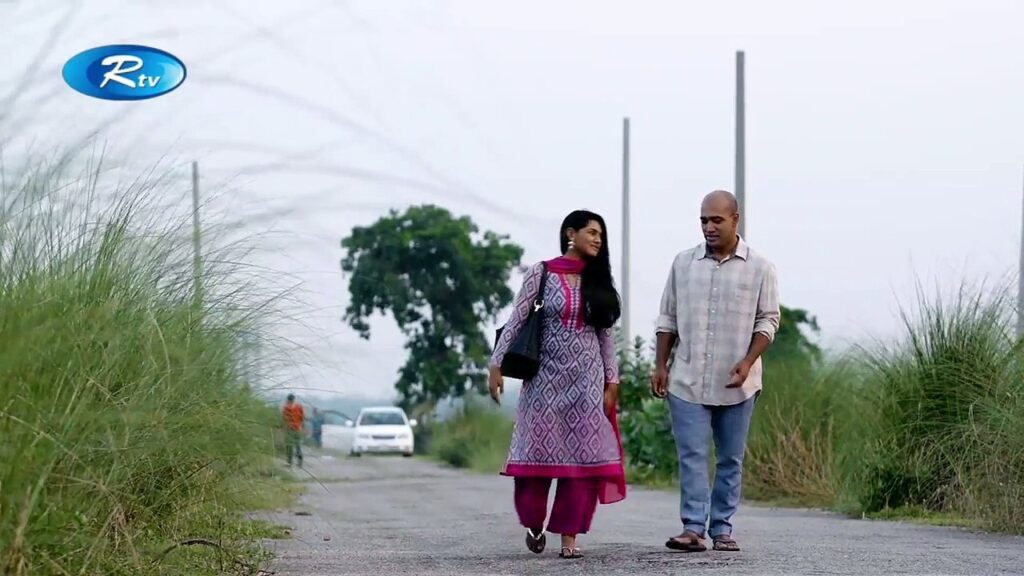
A wave of anti-gay criticism and online protests emerged in Bangladesh following the broadcast of Rainbow, a television production that explored the emotions, relationships, and social struggles of gay people. The telefilm, directed by Ashfaque Nipun and sponsored by Grameenphone, aired on private television channel RTV on 29 June 2017 as part of its Eid-ul-Fitr programming. Its portrayal of homosexuality and its message of love and acceptance towards gay individuals triggered strong opposition from socially and religiously conservative groups and social media users, who began targeting both the broadcaster and its corporate sponsor.
The backlash intensified across Facebook, where opponents of homosexuality circulated critical posts, images, and comments condemning the telefilm’s subject matter. Many directed their objections towards the official Facebook pages of RTV and Grameenphone, accusing the companies of promoting homosexuality through mainstream television entertainment. Some critics invoked religious beliefs and conservative social values to justify their opposition, portraying same-sex relationships as incompatible with their understanding of religion and morality. Others claimed that homosexuality threatened traditional family structures and contributed to the moral decline of Western societies. These arguments reflected the discriminatory narratives used by opponents to challenge the visibility and social acceptance of gay people in Bangladesh.
The online campaign also included attempts to justify opposition to homosexuality through references to Bangladesh’s existing criminal law. Some critics cited Section 377 of the Penal Code, which criminalises certain sexual acts described in the law as being against the order of nature, to argue against the telefilm’s portrayal of same-sex relationships. Religious condemnation, legal arguments, and allegations of moral decline became prominent elements of the criticism directed at Rainbow. Rather than focusing solely on the artistic content of the production, many of these reactions challenged the representation of gay people’s emotions, relationships, and experiences on national television.
The controversy brought the wider social hostility faced by gay people in Bangladesh into public discussion. A telefilm portraying their emotions and experiences became the target of an online campaign that sought to discourage positive representations of homosexuality in mainstream media. The criticism directed at RTV and Grameenphone demonstrated how conservative opposition to sexual diversity could extend beyond individual expressions of disagreement to organised online pressure against media organisations involved in portraying gay people’s lives.
References
- Priyo.com (republished by Ukhiya News) — Report on the backlash against RTV and Grameenphone for broadcasting a gay-themed drama, 3 July 2017.
Read the Ukhiya News report