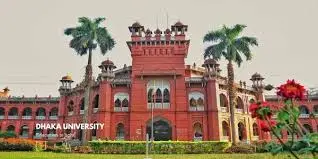
Dhaka University Student and Visitor Assaulted Over Same-Sex Allegations at Surya Sen Hall
30 July 2026
A Dhaka University student and an outside visitor were physically assaulted, subjected to coercive questioning and handed over to police after being accused of same-sex conduct at the university’s Masterda Surya Sen Hall on 30 July 2026. The residential student was identified in contemporary media reports as Mainur Reza, a student of the university’s 2022–23 academic session, while the visitor was identified as Shafiqul Islam Sagor, who was reported to be employed at the Bangladesh Bureau of Educational Information and Statistics (BANBEIS). The incident began inside the residential hall in the morning and rapidly escalated from scrutiny of the visitor’s presence to examination of private communications, mob questioning and physical violence, statements obtained under pressure, intervention by the hall administration, transfer of both men to Shahbagh Police Station and the permanent cancellation of the university student’s residential seat. Contemporary Bangladeshi news reports widely presented the incident as one involving “homosexuality,” often treating allegations concerning the men’s sexual orientation and private communications as established wrongdoing rather than distinguishing between allegations, statements obtained in a coercive environment and independently established facts.
According to accounts published on 30 July, the two men had communicated through an online application before Sagor went to Masterda Surya Sen Hall to meet Mainur. Media reports said that Sagor mistakenly approached or entered the wrong room, attracting the attention of students residing there, who began questioning him about why he had come to the hall and whom he intended to meet. Accounts published by several outlets subsequently reported that students examined his mobile phone and used information found there to identify Mainur. Reports further claimed that an application associated with communication between men and private conversations between the two were found on their phones. The circumstances did not remain a routine inquiry into the presence of an outsider in a residential hall. The two men were surrounded by students, physically assaulted and subjected to coercive questioning concerning alleged same-sex conduct. Under pressure from the mob, statements described publicly as “confessions” were obtained from them. The coercive circumstances surrounding those statements are essential to understanding the incident: they should not be treated as voluntary admissions or independent proof of the allegations made against the two men.
The hall administration was subsequently informed, and the provost and house tutors became involved. Contemporary reporting attributed a detailed account of the incident to Mohammad Imran, then reading-room secretary of the Masterda Surya Sen Hall Students’ Union. According to his account as reported by the media, the two men were taken to the provost’s office and provided written undertakings, after which the hall administration involved the university’s proctorial team. Some reports described the undertakings as “confessional” statements and reported claims that the residential student had acknowledged being involved in homosexuality. Those descriptions, however, emerged after the men had already been confronted, assaulted and pressured by a group of students. The distinction between a statement made voluntarily and one produced following mob violence, intimidation or fear is therefore critical. The incident also involved access to the men’s private phones and communications, turning information about their actual or perceived sexual orientation and private interactions into material used to identify, question and publicly expose them.
Both men were eventually handed over to Shahbagh Police Station. Their transfer to police was reported by multiple Bangladeshi media outlets on the day of the incident. Later that evening, reports confirmed that they had been released into the custody of others rather than being kept in police detention. Mainur was released into the custody of his departmental student adviser in the presence of university representatives, while Sagor was also released from police custody. This outcome is significant because the escalation from a private meeting and allegations concerning same-sex conduct to mob intervention, university disciplinary action and police involvement occurred despite the reports reviewed for this documentation not establishing any allegation of non-consensual sexual violence between the two men. Instead, the central allegations concerned their perceived sexual orientation, private communications and the purpose for which one man had visited the other.
The institutional consequences for Mainur were immediate. On the same day, Masterda Surya Sen Hall authorities permanently cancelled his residential seat. Assistant Proctor Muhammad Rafiqul Islam confirmed to media that, according to the hall administration’s decision, the student had been permanently expelled from the hall and subsequently handed into the custody of his departmental student adviser. Several reports stated that the decision followed the statements or undertakings obtained during the incident. The permanent loss of residential accommodation therefore followed within hours of the initial confrontation, raising questions about whether the student had a meaningful opportunity to respond to the allegations through an independent disciplinary process before the punishment was imposed. For a residential university student, cancellation of a hall seat can have consequences extending beyond accommodation, particularly where public exposure and stigma may also affect the ability to return safely to campus and continue education.
The incident was further amplified through news coverage and social media, where the men’s identities, photographs and allegations concerning their sexuality circulated publicly. Some reports used stigmatizing language and presented the alleged same-sex nature of their relationship as inherently incriminating. Other online narratives attempted to attach a political identity to the men. Subsequent reporting identified the two as Mainur Reza and Shafiqul Islam Sagor, while claims also circulated online alleging political affiliations. The public exposure compounded the original incident by transforming private digital communications and allegations about sexual orientation into material for broader public scrutiny.
The events at Masterda Surya Sen Hall are significant for LGBTIQ+ rights monitoring because they illustrate how an allegation concerning actual or perceived same-sex conduct can trigger several forms of harm in rapid succession. In this case, a private meeting led to mob intervention, physical assault, coercive questioning, examination of personal communications, statements obtained under pressure, exposure of the individuals’ actual or perceived sexual orientation, involvement of university authorities, transfer to police and the permanent loss of residential accommodation for one of the affected students. The incident also demonstrates why media references to an alleged “confession” require careful scrutiny when the statements concerned were obtained in an environment involving intimidation, physical violence and a hostile crowd. Documentation of the case should therefore distinguish between allegations reported at the time and facts independently established, while preserving the experiences of the two men as individuals subjected to violence, exposure and institutional consequences rather than portraying them as wrongdoers merely on the basis of actual or perceived sexual orientation.
References
Contemporary reporting on the detention of the university student and outside visitor at Masterda Surya Sen Hall, including information concerning their identities and the allegations made against them.
Read the Kalbela reportReports on the visitor arriving at the hall after communicating with the university student through an online application and the subsequent intervention by students and hall authorities.
Read the Jago News 24 reportReports the subsequent permanent expulsion of the residential student from Masterda Surya Sen Hall.
Read the Jago News 24 follow-up reportReports that the student’s residential status was permanently terminated and that he was later released into the custody of his departmental student adviser in the presence of university authorities.
Read The Daily Campus reportReports on the two men being taken to Shahbagh Police Station and their subsequent release from police custody.
Read the Agamir Shomoy reportContemporary reporting on the incident, the cancellation of the student’s hall seat and the involvement of Shahbagh Police Station.
Read the RTV reportThe report refers back to the 30 July Surya Sen Hall incident while covering subsequent developments at Dhaka University.
Read the Sangbad report