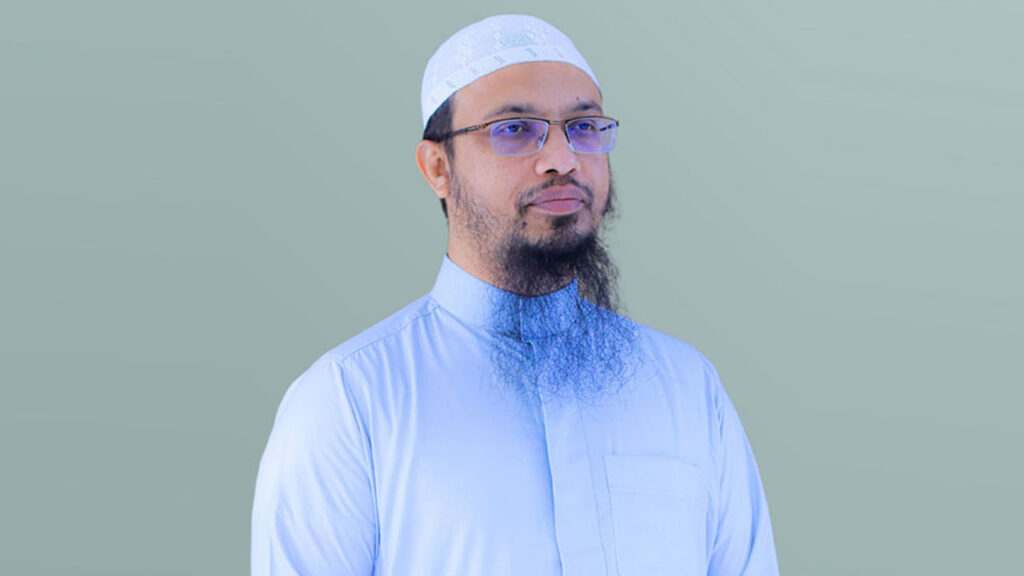
25 January 2024 | Bangladesh
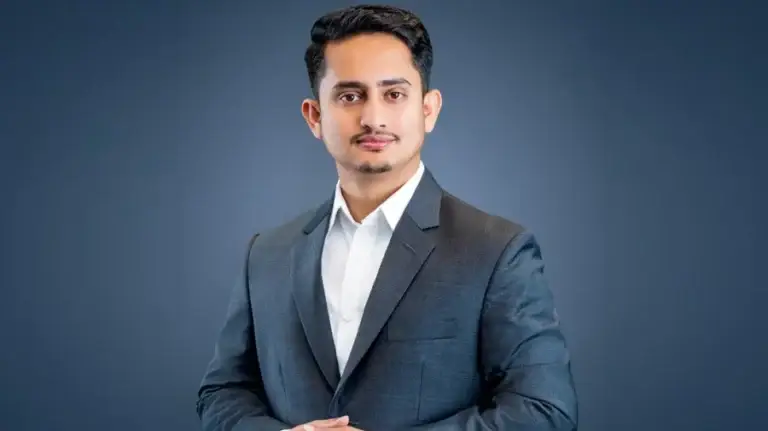
Prominent Bangladeshi Islamic preacher and founder of the As-Sunnah Foundation,
Sheikh Ahmadullah, disseminated a series of hostile and fear-inducing narratives
about transgender people through public statements and social media. In remarks
reported by Dhaka Post on 25 January 2024, Ahmadullah portrayed recognition of
transgender identities as a serious threat to Bangladesh’s social order, religious
values and human civilisation. He described transgender identity as a dangerous
“fitna” approaching Bangladesh and argued that recognising a person’s gender
identity based on their own understanding rather than sex assigned at birth would
destabilise established social structures. Rather than discussing transgender
recognition as an issue of individual identity, dignity or equal rights, his
statements repeatedly associated it with social disorder and potential harm.
Ahmadullah used inheritance, marriage, educational institutions, residential
facilities and public spaces to construct scenarios suggesting that recognition
of transgender identities could enable deception and abuse. He claimed, for
example, that a woman could identify as a man in order to obtain a larger share
of inheritance or that a man could identify as a woman in order to gain access
to women’s residential facilities. He also presented a scenario in which a man
could inappropriately touch a woman on public transport and subsequently claim
to be a woman to justify his behaviour. Through these examples, transgender
identity was associated with deception, sexual harassment and threats to women’s
safety. The reporting cited for this documentation did not provide evidence of
transgender people in Bangladesh engaging in such conduct as a consequence of
recognition of their gender identity, yet these hypothetical scenarios were used
to warn audiences about the perceived dangers of transgender inclusion.
Ahmadullah further connected transgender recognition with the risk of sexual
violence against women. Referring to a sexual assault case involving a transgender
prisoner in Scotland, he used the incident to warn about the consequences of
recognising transgender women as women. He also referred to the accommodation
of a transgender woman in a government working women’s hostel in Bangladesh and
questioned what guarantee existed that a similar incident of sexual violence
would not occur there. By drawing this comparison, his remarks associated the
presence of transgender women in women’s residential spaces with the possibility
of sexual violence. He opposed recognising transgender women according to their
gender identity and instead argued that their identity should be determined by
sex assigned at birth.
Video Documentation
Video documenting Sheikh Ahmadullah’s statements concerning transgender
identities, social recognition, women’s safety, homosexuality and religious
values.
Ahmadullah drew a distinction between Hijra and transgender people while
rejecting transgender identities. He stated that Hijra people possess congenital
physical characteristics that distinguish them and argued that they should
receive compassion, assistance and social support. In contrast, he claimed that
transgender people do not possess such physical characteristics and rejected
gender identity based on an individual’s internal sense of self. He further
alleged that certain groups were deliberately conflating Hijra and transgender
identities to confuse the public and facilitate the spread of homosexuality.
In doing so, his statements presented recognition of transgender identity not
as a distinct issue concerning gender identity but as part of a broader organised
effort to normalise homosexuality, despite gender identity and sexual orientation
being separate concepts.
Ahmadullah also claimed that recognition of transgender identities would
contribute to the widespread expansion of homosexuality. He argued that if a
person assigned male at birth identified as a woman and married a man, the
relationship would effectively constitute homosexuality, applying a similar
argument to transgender men. This framing rejected transgender people’s gender
identities and interpreted their relationships exclusively according to sex
assigned at birth. He described homosexuality as religiously prohibited, morally
unacceptable and criminalised, and argued that legal recognition of transgender
identities could undermine existing restrictions against same-sex relationships.
His remarks consequently linked transgender recognition to what he presented as
an organised effort to expand homosexuality within society.
In the broader framing of his remarks, Ahmadullah portrayed recognition of
transgender identities as a threat to the continuation of human civilisation.
He argued that weakening the conventional male-female gender structure would
ultimately endanger human reproduction and could lead society towards extinction.
On this basis, he called for resistance to the recognition and social acceptance
of transgender identities. His statements repeatedly connected transgender people
and their recognition with social instability, threats to women’s safety, sexual
misconduct, homosexuality, deterioration of religious and moral values, and
potential harm to human civilisation. Such framing positioned transgender people
not simply as individuals whose identities he opposed on religious grounds, but
as a source of wider social danger.
Alongside his public remarks, Ahmadullah used his verified Facebook page to
mobilise opposition to transgender-related educational content. In a Facebook
post published on 25 January 2024, he criticised the inclusion of material he
considered contrary to religious beliefs, social values and local culture in
publicly funded textbooks. He characterised the inclusion of such material as
an act against the interests of the country and called on people to oppose those
responsible. Kalbela subsequently reported the contents of the Facebook post on
29 January. Across both his public statements and social media communication,
Ahmadullah used religious, cultural, moral and public-safety arguments to reject
transgender recognition and encourage broader public resistance to
transgender-related inclusion.
References
Dhaka Post | 25 January 2024
“ট্রান্সজেন্ডার নিয়ে যা বললেন শায়খ আহমাদুল্লাহ ও মাওলানা আজহারী”
[What Sheikh Ahmadullah and Maulana Azhari Said About Transgender Issues].
Reporting on Sheikh Ahmadullah’s statements concerning transgender identities
and the claims and arguments he presented.
View Source
Kalbela | 29 January 2024
“‘শরীফ থেকে শরীফা’ ইস্যুতে শায়খ আহমাদুল্লাহর ফেসবুক স্ট্যাটাস”
[Sheikh Ahmadullah’s Facebook Status on the ‘Sharif to Sharifa’ Issue].
Reporting on the content of Sheikh Ahmadullah’s Facebook post published
on 25 January 2024.
View Source
YouTube | Video Documentation
Video documenting Sheikh Ahmadullah’s statements concerning transgender
identities, women and social safety, homosexuality, religious values and
social recognition of transgender people.