Hijra Person Mahi Dies After Being Set on Fire in Cumilla
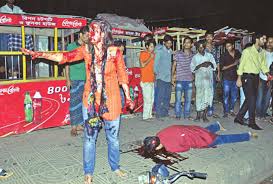
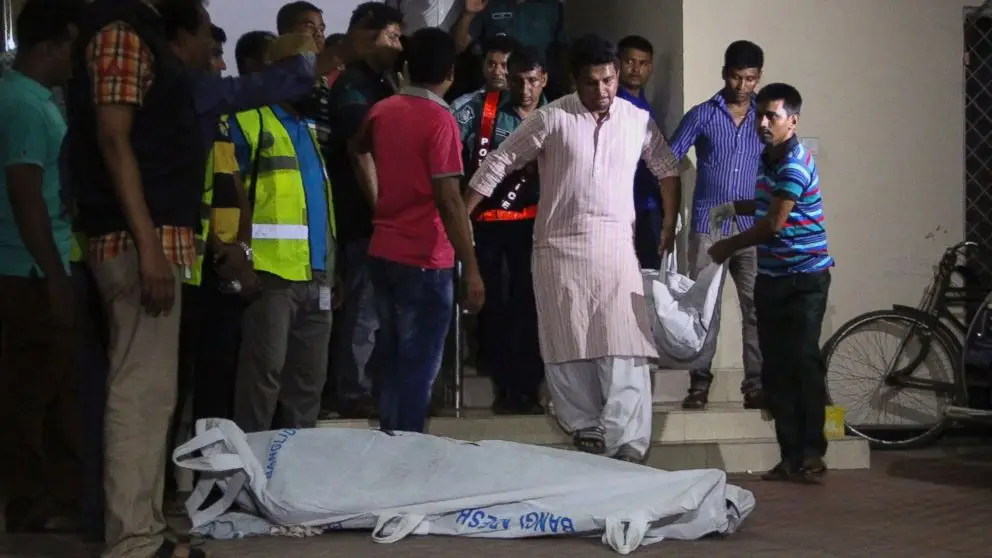
Enamul Haque Shishir, known as Mahi, a member of the Hijra community, died on 17 May 2026 after being brutally set on fire in Burichang upazila of Cumilla, four days after sustaining severe burn injuries in the attack. The incident took place on the night of 13 May near the Muktijoddha Complex in Burichang Uttar Bazar. According to the murder case later filed by Mahi’s father and accounts published by Bangladeshi media, the attackers allegedly restrained Mahi, poured a flammable substance over her body and set her on fire. Local residents came to her aid after hearing her screams and she was taken for emergency medical treatment. As her condition became critical, she was transferred to Dhaka for specialized burn treatment. Media reports said that around 44 percent of her body had been burned and that her respiratory tract had also been affected. She died while undergoing treatment on 17 May.
Following Mahi’s death, her father filed a murder case with Burichang Police Station on 17 May, naming several people along with additional unidentified individuals. Police subsequently arrested one of the accused. The principal accused, identified in media reports as Zahirul Islam, also known as Zahir, reportedly went into hiding after the incident. On the night of 18 May, the Rapid Action Battalion (RAB) arrested Zahir from the Bhomra border area in Satkhira while, according to RAB, he was attempting to leave Bangladesh for India. Law-enforcement officials also provided accounts concerning his movements after the case was filed and said that he admitted involvement during preliminary questioning. Such statements remain part of the law-enforcement account and allegations in an ongoing criminal case unless established through judicial proceedings.
The circumstances and motive behind Mahi’s killing have been described differently across published reports. The Business Standard, citing local sources, reported an alleged dispute involving the distribution of money connected to drug trading, while subsequent reporting citing RAB linked the killing to disputes over control of drug trading and its proceeds. Other reporting has presented different accounts of the underlying dispute. These discrepancies are important and the precise motive should therefore not be treated as conclusively established on the basis of media or law-enforcement accounts alone. Similarly, published reports differ on some personal details concerning Mahi, including her age. For documentation purposes, these inconsistencies should be preserved rather than resolved without authoritative evidence.
Available public reporting reviewed so far does not establish that Mahi was attacked specifically because of her gender identity. Her killing should therefore not be characterized as a confirmed anti-LGBTIQ+ hate crime without evidence demonstrating a discriminatory motive. At the same time, Mahi’s identity should not disappear from the documentation: she was a member of Bangladesh’s socially marginalized Hijra community and was subjected to an exceptionally brutal form of lethal violence. Her death has also subsequently been recorded by an international trans fatal-violence documentation initiative.
Questions have additionally been raised about access to justice following the attack. The Daily Star reported allegations from Mahi’s family members, local residents and human rights activists that police were initially reluctant to register a case. A murder case was ultimately filed following her death, after which arrests were made and the investigation proceeded. The allegation regarding the initial police response remains significant for human rights monitoring because it raises the question of whether Hijra and gender-diverse people and their families receive timely and equal access to police protection and effective remedies when subjected to serious violence.
Mahi’s killing therefore warrants continued documentation both because of the severity of the violence and because of the broader vulnerability experienced by Hijra and gender-diverse people in Bangladesh. Continued monitoring of the investigation and judicial proceedings will be important in determining whether Mahi’s family receives effective access to justice, whether those responsible are held accountable through due process, and whether further evidence emerges concerning the motive behind the attack or discriminatory treatment in its aftermath.
References
- The Daily Star — Murder case filed after hijra individual dies from burn injuries, 17 May 2026
- The Business Standard — Third-gender person burned to death in Cumilla; 1 arrested, 18 May 2026
- The Daily Star — Hijra person dies after being torched, 18 May 2026
- Prothom Alo — কুমিল্লায় হিজড়াকে পেট্রল ঢেলে পুড়িয়ে হত্যা, অভিযোগ সঙ্গীদের বিরুদ্ধে, 17 May 2026
- The Daily Star — Mahi murder: Prime accused arrested while allegedly trying to flee to India, 19 May 2026
- Prothom Alo — কুমিল্লায় হিজড়া মাহিকে পুড়িয়ে হত্যার নেপথ্যে মাদক, আরেক হিজড়া গ্রেপ্তার: র্যাব, 19 May 2026
- Trans Lives Matter — Remembering Our Dead: Mahi
- NTV — Additional Bangla coverage of the Mahi case
- Jago News 24 — Additional coverage of the Cumilla case
- Dhaka Post — Additional reporting on the Mahi case
- Kaler Kantho — Additional reporting on the killing