Sanjida, a Bangladeshi woman arrested in 2013 following a same-sex marriage, reported experiencing degrading physical examinations and psychological abuse while in custody. In an interview published on 28 January 2016, the 23-year-old stated that during her approximately two-and-a-half months of imprisonment, female police officers subjected her to three intimate physical examinations to determine whether she was a woman or a man. She reported that officers touched various parts of her body during these examinations. Sanjida described the experience as the most humiliating moment of her life, stating that the humiliation caused her such severe psychological distress that she contemplated suicide. She also experienced ridicule and degrading remarks from fellow inmates during her imprisonment.
In January 2013, at the age of 20, Sanjida moved from her village to Pirojpur town to pursue higher education in Bengali literature. She rented accommodation in the family home of Krishnokanto, a Hindu potato trader, who entrusted her with helping his youngest daughter, Puja, with her studies. During the Bengali New Year celebrations in April 2013, Sanjida developed romantic feelings for 16-year-old Puja. Recognising that their relationship would face opposition from their families and wider society, the two decided to leave their homes together.
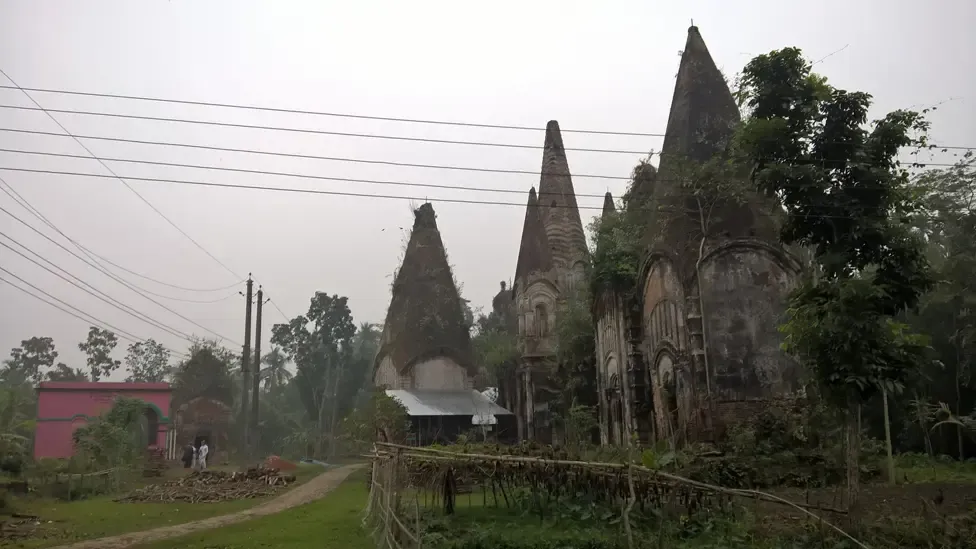
According to Sanjida’s account, in early July 2013, the two visited a seventeenth-century temple complex in Pirojpur. They exchanged floral garlands before a Shiva temple, and Sanjida applied vermilion to the parting of Puja’s hair as part of their religious marriage ceremony. Anticipating opposition from their families, they subsequently crossed the Kocha River and travelled to Barishal, where they rented accommodation and lived together as a married couple for approximately a week and a half. Meanwhile, Puja’s father reported her alleged abduction to the police. After learning that the authorities were searching for them, Sanjida and Puja moved to Dhaka. In late July, members of the Rapid Action Battalion (RAB) located and arrested Sanjida and transferred her to police custody in Pirojpur. Puja was returned to her family, and Sanjida was charged with the abduction of a minor.
Following the incident, Puja reportedly questioned why two women who loved each other could not marry when relationships between men and women were socially accepted. She also told journalists that she had travelled to Dhaka intending to establish a home with Sanjida. However, Puja’s family denied that she had made such statements. Her sister, Shipra, alleged that Puja had been rendered unconscious after consuming tea containing an unknown substance. After approximately two and a half months in prison, Sanjida was released on bail, although the criminal proceedings against her continued. She subsequently made several attempts to contact Puja, but these efforts were obstructed by Puja’s family. Sanjida later learned that Puja had been married to a police officer from her community.
The interview also revealed misconceptions and discriminatory attitudes within Sanjida’s own family concerning her sexual orientation and gender expression. Her mother explained that family members had believed during Sanjida’s childhood that she was under the influence of a supernatural spirit. Consequently, they had taken her to religious practitioners and made her wear religious amulets. Her uncle attempted to attribute her sexual orientation to a hormonal condition. Sanjida rejected these explanations, affirming her identity as a woman and expressing her willingness to openly marry another woman should Bangladesh ever legally recognise same-sex marriage. Her younger brother, Baizid, stated that although he had initially struggled to accept his sister’s sexual orientation, he had subsequently come to terms with it. According to him, other family members had also become more accepting.
Sanjida explained that before her arrest, she had been unfamiliar with the term “lesbian” as a description of her sexual orientation. She became familiar with the term after receiving support from gay rights organisations during her imprisonment. Her experience attracted attention among advocates working for the rights of sexual and gender minorities in Bangladesh. Following the end of her relationship with Puja, Sanjida developed a romantic relationship with another young woman named Arifa. At the time of the interview’s publication in January 2016, Sanjida was working for a human rights organisation while completing her undergraduate degree. The criminal proceedings against her had not yet concluded.
References
-
BBC News.
Lipika Pelham, Arrested after falling for another woman, 28 January 2016.
Read the original report. -
BBC World Service.
Women in Love in Bangladesh, Assignment, 28 January 2016.
Access the original programme.